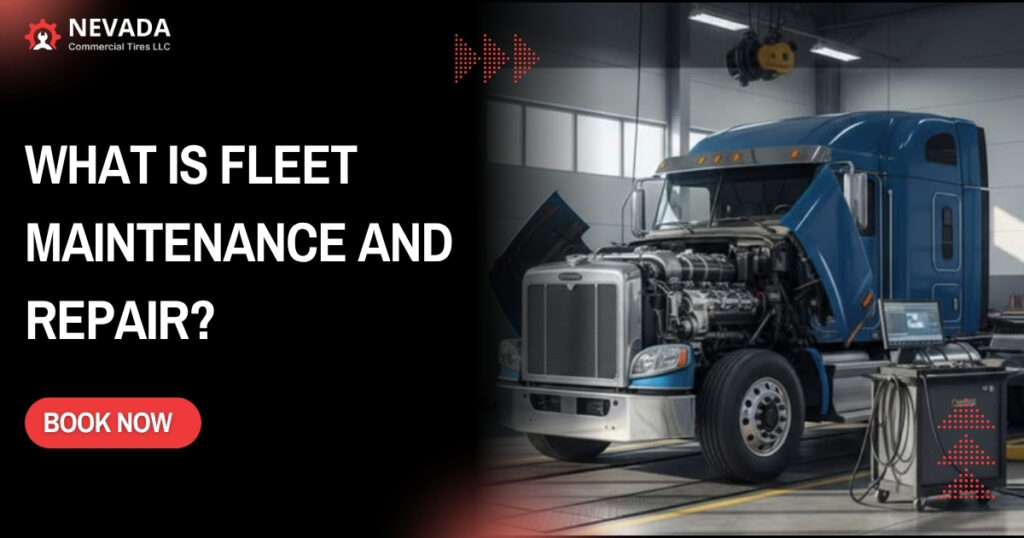
Businesses that rely on vehicles for transportation, deliveries, or services must ensure their vehicles remain in safe and reliable condition. This is where fleet maintenance becomes essential. Fleet maintenance refers to the regular inspection, servicing, and repair of multiple vehicles owned or operated by a business.
Companies that operate trucks, vans, service vehicles, or other commercial vehicles depend on consistent fleet maintenance and repair to keep operations running smoothly. Without proper maintenance, vehicles can experience breakdowns, safety issues, and costly downtime.
Understanding the importance of fleet maintenance helps businesses protect their vehicles, drivers, and overall productivity.
Understanding Fleet Maintenance
Fleet maintenance is the process of managing and maintaining a group of vehicles to ensure they operate safely and efficiently.
Businesses often manage fleets that include:
- Delivery trucks
- Service vans
- Company cars
- Construction vehicles
- Long-haul trucks
Regular commercial fleet maintenance helps ensure that each vehicle in the fleet receives proper care. This includes inspections, routine servicing, and repairs when necessary.
The goal of fleet maintenance is to prevent problems before they occur and keep vehicles operating at their best.
Preventive Maintenance for Fleet Vehicles
Preventive maintenance is one of the most important aspects of fleet maintenance and repair. Instead of waiting for a problem to occur, preventive maintenance focuses on servicing vehicles regularly to reduce the risk of breakdowns.
Typical preventive fleet vehicle inspection tasks include:
- Checking tyre condition and pressure
- Inspecting brakes and suspension
- Changing engine oil and filters
- Checking fluid levels
- Inspecting lights and electrical systems
Regular preventive maintenance helps extend the lifespan of vehicles and keeps them operating safely.
Importance of Fleet Vehicle Inspections
Routine fleet vehicle inspection is essential for identifying potential issues early.
Inspections help technicians detect problems such as:
- Tire wear or damage
- Brake system issues
- Engine performance problems
- Suspension wear
By performing inspections regularly, businesses can address small issues before they turn into major repairs.
Consistent inspections are a key part of effective fleet maintenance programs.
Reducing Vehicle Downtime
Unexpected vehicle breakdowns can disrupt business operations and delay important deliveries or services.
One of the biggest advantages of commercial fleet maintenance is reducing vehicle downtime. Regular servicing ensures vehicles remain reliable and less likely to experience sudden mechanical failures.
By maintaining vehicles properly, companies can keep their fleets operational and avoid costly interruptions.
Improving Driver Safety
Driver safety is another important reason for maintaining vehicles properly.
Vehicles that receive regular fleet maintenance and repair are less likely to develop dangerous issues while on the road. Problems such as worn tyres, faulty brakes, or steering issues can significantly increase the risk of accidents.
Routine maintenance helps ensure that every vehicle in the fleet remains safe for drivers and other road users.
Extending Vehicle Lifespan
Vehicles represent a major investment for businesses. Proper truck fleet maintenance helps extend the lifespan of each vehicle.
Routine servicing ensures that critical components such as engines, transmissions, brakes, and tyres remain in good condition.
Without proper maintenance, vehicles may experience premature wear and require expensive repairs or replacements sooner than expected.
Extending vehicle lifespan helps businesses maximise the value of their fleet investments.
Managing Tire Maintenance in Fleets
Tires play a major role in fleet maintenance because they directly affect safety and performance.
Fleet managers often monitor:
- Tire pressure levels
- Tread wear patterns
- Tire rotation schedules
- Tire replacements
Regular tyre checks help reduce the risk of blowouts and improve fuel efficiency.
Because fleet vehicles travel long distances, maintaining proper tyre condition is essential.
Tracking Fleet Maintenance Schedules
Businesses often use maintenance schedules to manage their commercial fleet maintenance programs.
A maintenance schedule ensures that each vehicle receives servicing at the appropriate time. For example, oil changes, inspections, and tyre rotations may be scheduled after a certain mileage or time period.
Tracking maintenance helps prevent vehicles from missing important servicing appointments.
This organised approach allows businesses to manage fleet vehicles more efficiently.
Cost Savings Through Preventive Maintenance
Some businesses may view maintenance as an expense, but in reality, it often reduces long-term costs.
Preventive fleet maintenance and repair help prevent major mechanical failures that can lead to expensive repairs.
For example, detecting a small issue during a fleet vehicle inspection may prevent engine damage or other serious problems.
Maintaining vehicles regularly helps businesses avoid large repair bills and unexpected expenses.
Supporting Operational Efficiency
Efficient transportation is critical for businesses that rely on vehicles.
Proper fleet maintenance helps ensure vehicles perform consistently and remain available for daily operations.
When vehicles are properly maintained, companies can:
- Complete deliveries on time
- Maintain service schedules
- Improve overall productivity
Reliable vehicles support smooth business operations.
Compliance With Safety Regulations
Many industries require businesses to maintain vehicles according to safety standards. Regular fleet vehicle inspection helps ensure vehicles meet these requirements.
Compliance with safety regulations is important for protecting drivers and avoiding penalties.
Routine truck fleet maintenance helps ensure vehicles meet inspection standards and remain safe for operation.
Conclusion
Fleet maintenance and repair involve the regular inspection, servicing, and repair of vehicles used by businesses. Effective fleet maintenance programs help improve safety, reduce downtime, and extend the lifespan of vehicles.
Through preventive servicing, routine fleet vehicle inspection, and consistent commercial fleet maintenance, businesses can ensure their vehicles remain reliable and efficient.
By maintaining fleet vehicles properly, companies can protect their investment, support driver safety, and keep operations running smoothly.








 ICONIER Digital Agency